How Do Motion Sensors Work A Guide Bay Alarm
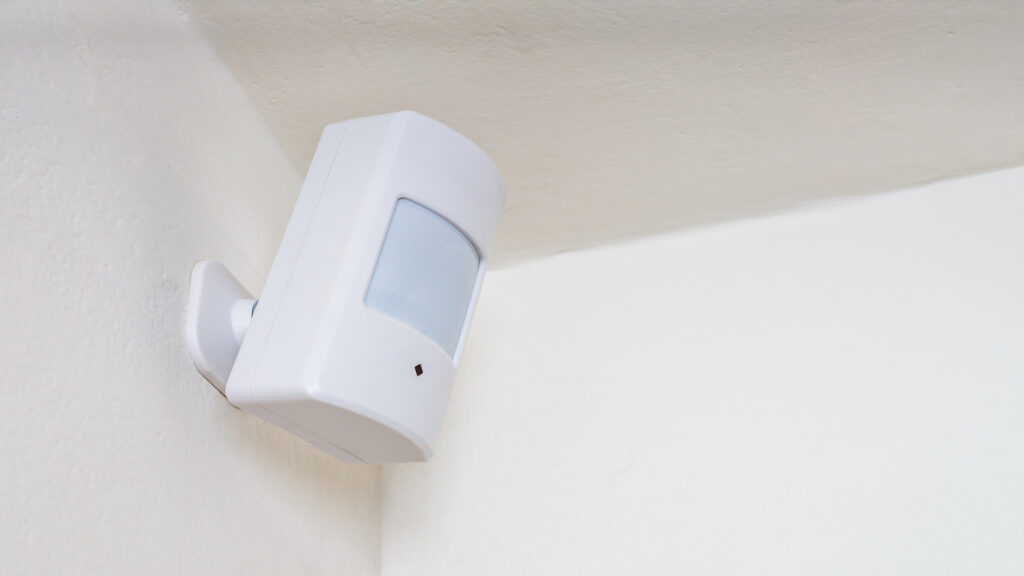
Install your light: Follow the manufacturer's instructions to securely install your new light. Connect the light to your smart home: This doesn't apply to most motion detector lights, which sadly lack home automation. If your light has a separate motion sensor, it's more likely to connect to the broader smart home.
How PIR Sensor Works and How to use PIR motion sensor with Arduino YouTube

2. Motion Flood Light. A motion-triggered light works like a driveway alert, but instead of just letting you know when it senses motion, it turns on a light for the world to see. If the illuminated figure is a burglar, he'll skedaddle, but if it's you, you'll be able to make it to your front door without tripping. Win/win.
How Motion Sensors Work

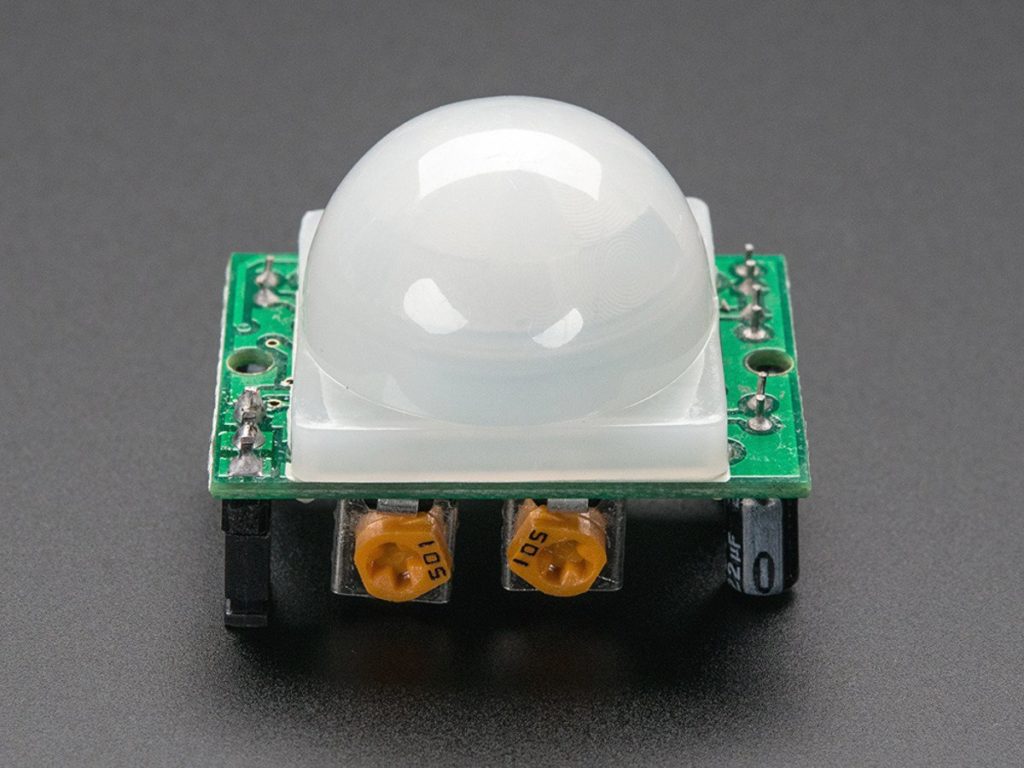
The PIR, or passive infrared, detector is commonly used in intruder alarm systems. A PIR is similar to a thermal sensor. These infrared sensors/detectors are the secret sauce inside motion sensor security lights that illuminate driveways when someone approaches. Infrared is outside our eyes' light-detecting abilities (see Figure 1 below). Figure 1.
Everything You Need To Know About The Motion Sensor And How It Works

Step 2: Identify where you want to mount your motion sensor (recommend placing between 66-78" from the floor). Step 3: Mark the location for hole to be drilled. Step 4: Using 7/32" bit, drill hole in wall for mounting screw, insert anchor. Step 5: Remove magnetic mount from bracket, screw the bracket into the wall until flush, then replace.
What is a Motion Sensor? How Does It Work? TechnoWifi

A motion detector attached to an outdoor, automatic light. A motion detector is an electrical device that utilizes a sensor to detect nearby motion.Such a device is often integrated as a component of a system that automatically performs a task or alerts a user of motion in an area. They form a vital component of security, automated lighting control, home control, energy efficiency, and other.
How To Detect Motion Confidenceopposition28
An active ultrasonic motion detector emits ultrasonic sound waves that reflect off objects and bounce back to the original emission point. When a moving object disrupts the waves, the sensor triggers and completes the desired action, whether this is switching on a light or sounding an alarm. Motion detection cameras, lights, and sensors used in.
PIR Sensor Introduction and How PIR Motion Sensor works Sensor, Electronic circuit projects

Motion detectors function by detecting changes in the environment such as movement, heat, or sound. They consist of sensors that capture these changes and send a signal to a control panel or alarm system. The control panel then activates an alarm, lights, or other security measures. The sensors used in motion detectors vary depending on the.
Updated tutorial PIR Motion Sensor « Adafruit Industries Makers, hackers, artists, designers

Open your motion sensor and ensure you have everything you need, including batteries. Choose a location for your motion sensor, either indoor or outdoor. Attach the mounting bracket to the desired wall or surface. Place the motion sensor in the mounting bracket, checking to make sure it's steady and stable.
Complete Motion Sensor Guide 9 Detector Types Reviewed
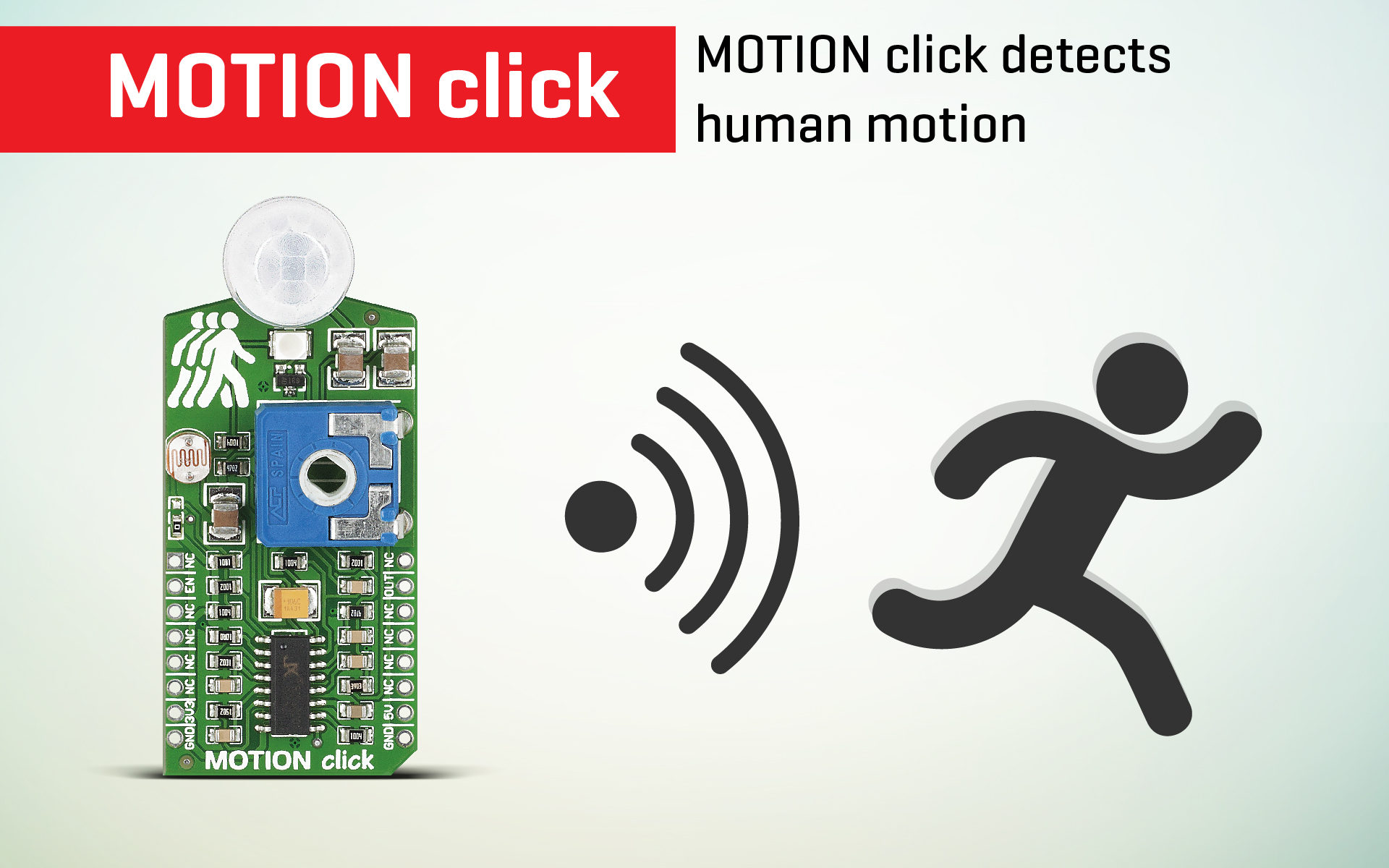
A motion sensor (or motion detector) is the linchpin of your security system because it detects when someone is in your home when they shouldn't be. A motion sensor uses one or multiple technologies to detect movement in an area. When a sensor detects motion, it sends a signal to your security system's control panel, which connects to your.
How to Block Motion Sensors? Let's Find Out Home Security Empire

The time delay can be set on the motion sensor and Arduino code: On motion sensor: min is 3 seconds and max id 5 minutes. done via Time Delay Adjuster. On Arduino Code: any value, done by coding. If we do NOT set a timeout in the Arduino code, the timeout is equal to the time delay in the sensor's setting.
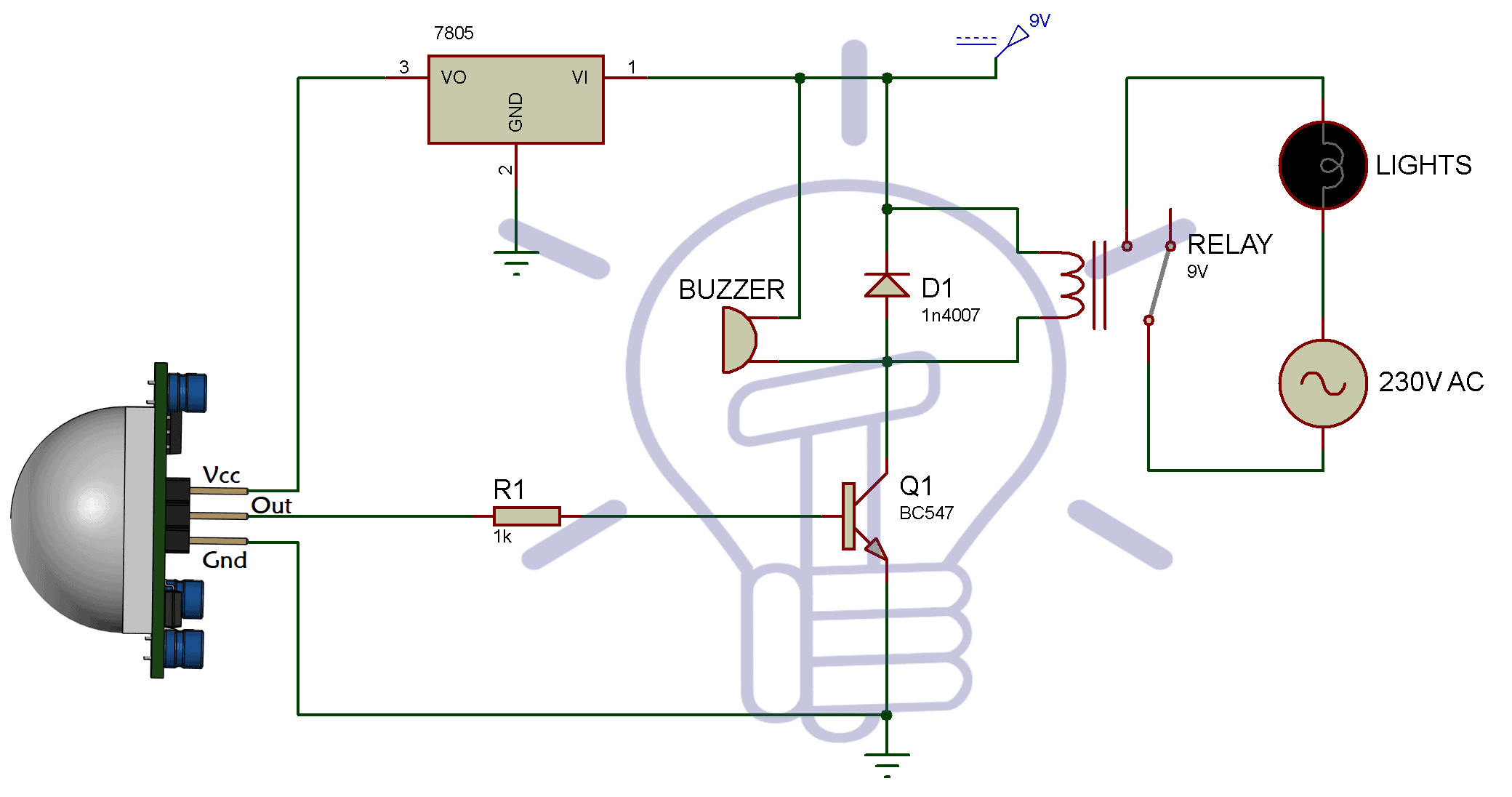
Simple Motion Sensor Circuit Diagram
Active Ultrasonic Motion Detectors. Ultrasonic motion sensors map out their surroundings in the same way as bats. They emit ultrasonic sound waves, and then detect the reflection. When the waves hit a stationary object, they bounce back to the sensor with the same frequency the sensor emitted. When a moving object encounters the waves, it.
How Do Motion Sensors Work? Types, Benefits & Installation Guide Peak Home Security

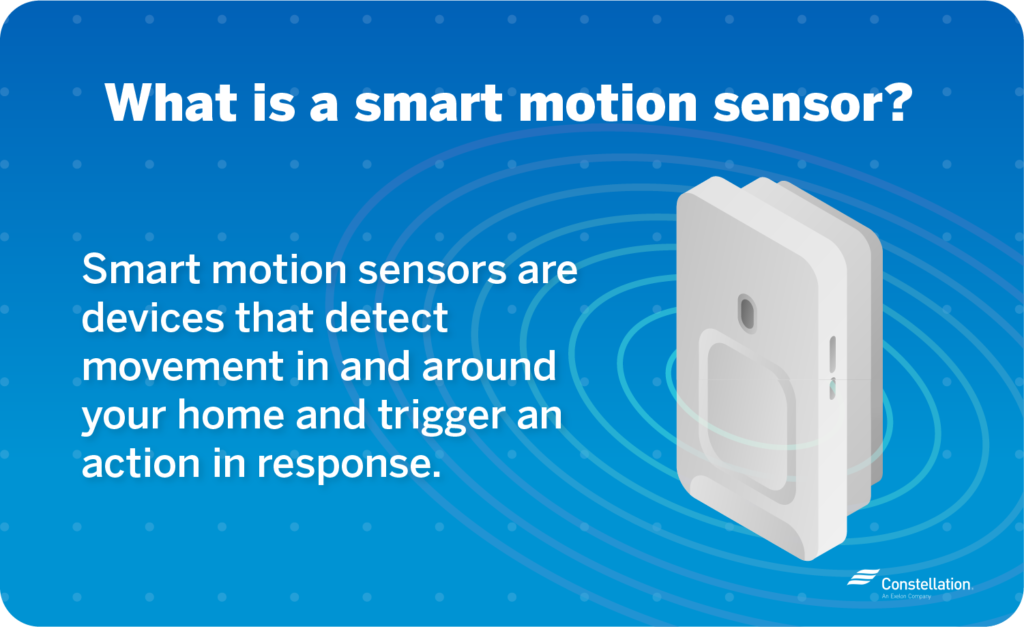
A motion sensor is a device that recognizes and detects the movement of objects in its surroundings, such as humans, animals, or solid objects. They are commonly used in security, lighting control, and automation systems to trigger a response when motion is detected. Motion sensors are available in different technologies and are designed to.
how do motion sensors work physics Sparkle Elias
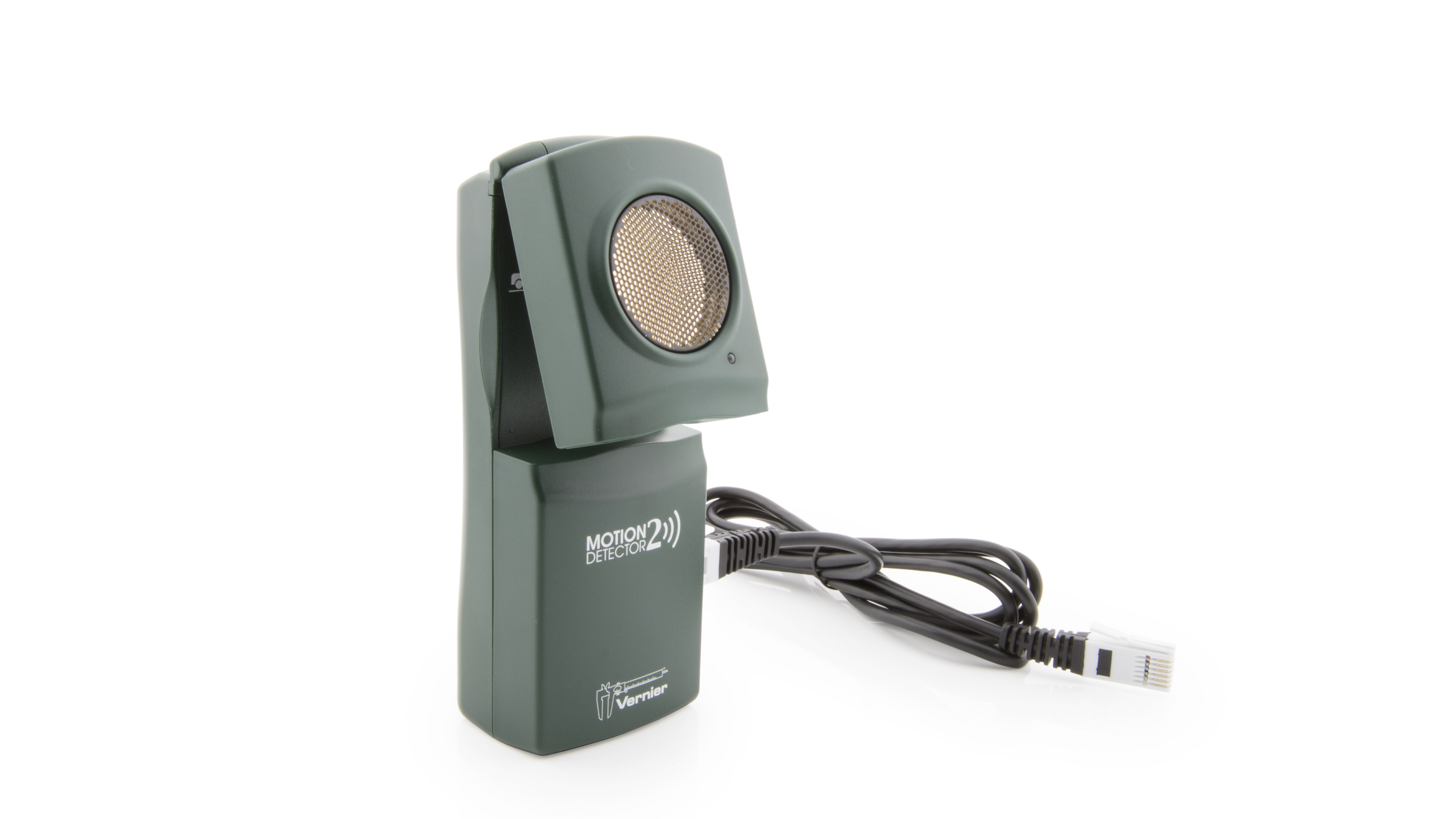
These detectors send out microwaves constantly, which hit objects and bounce back to the sensor. The sensor measures the reflection rate for these objects, which lets it know exactly how far away they are. If anything moves, that movement changes the object's reflection rate, which registers as motion.
Motion Sensors How They Work & Where to Place Them Constellation
Contact sensors use a magnet to detect movement. The sensor is typically composed of two parts: one part is attached to the door or window frame (the jamb), and the other is attached to the door or window itself. These two parts form a closed circuit when the door or window is closed.
Motion Detection with Open CV and C TechQuantum

Motion detectors are often integrated components of systems that automatically perform tasks, or alert users of motion in an area. An occupancy sensor detects the entry or movement of a person or thing within a certain space. Motion controllers are also used for video game consoles as game controllers.
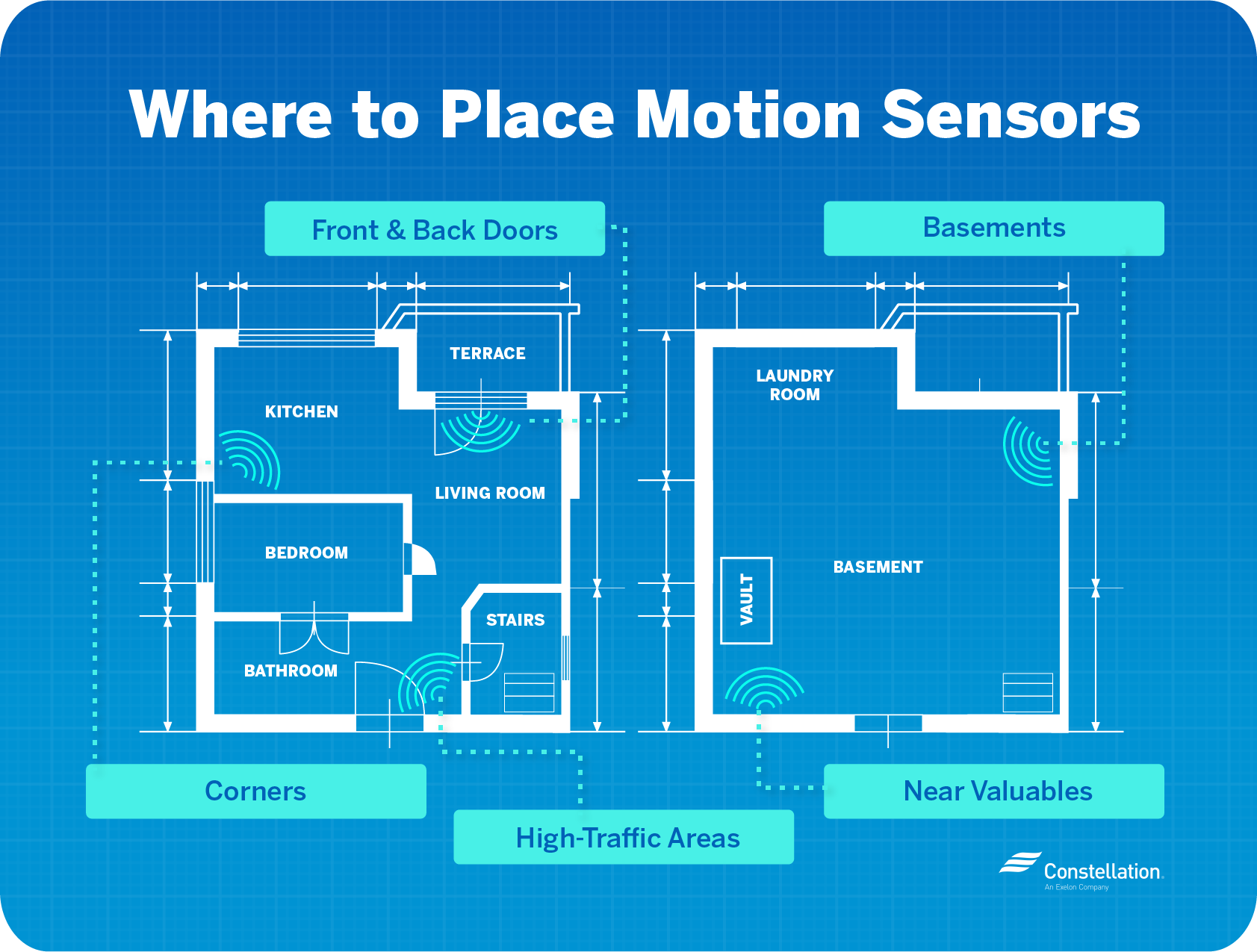
Motion Sensors How They Work & Where to Place Them Constellation
When the sensor is idle, both slots detect the same amount of IR, the ambient amount radiated from the room or walls or outdoors. When a warm body like a human or animal passes by, it first intercepts one half of the PIR sensor, which causes a positive differential change between the two halves. When the warm body leaves the sensing area, the.