Chapter 7 current and emerging health protection issues GOV.UK
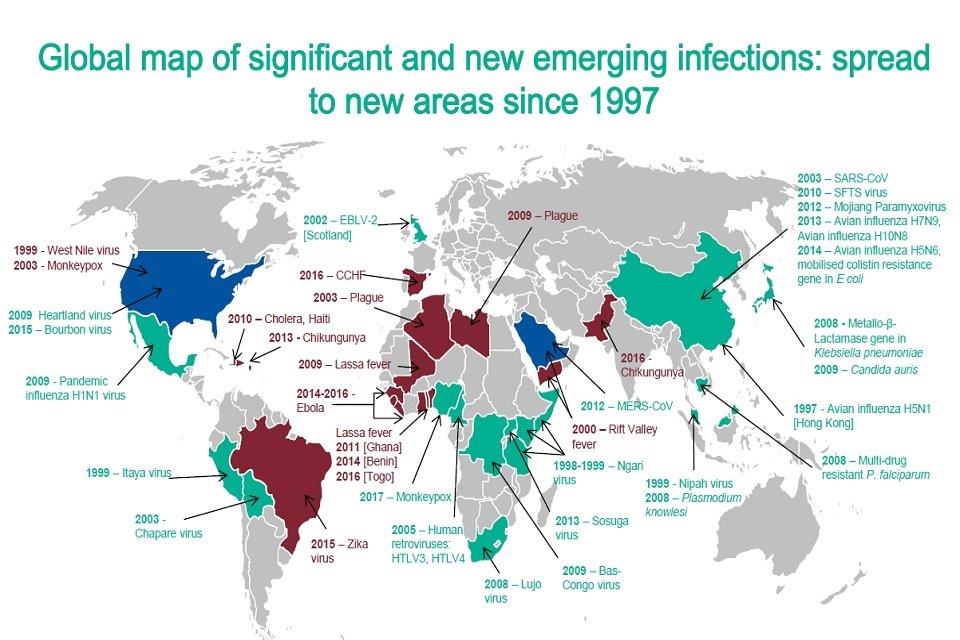
Emerging infectious diseases can be defined as infectious diseases that have newly appeared in a population or have existed but are rapidly increasing in incidence or geographic range, or that are caused by one of the NIAID Category A, B, or C priority pathogens.
Emerging infections how and why they arise GOV.UK

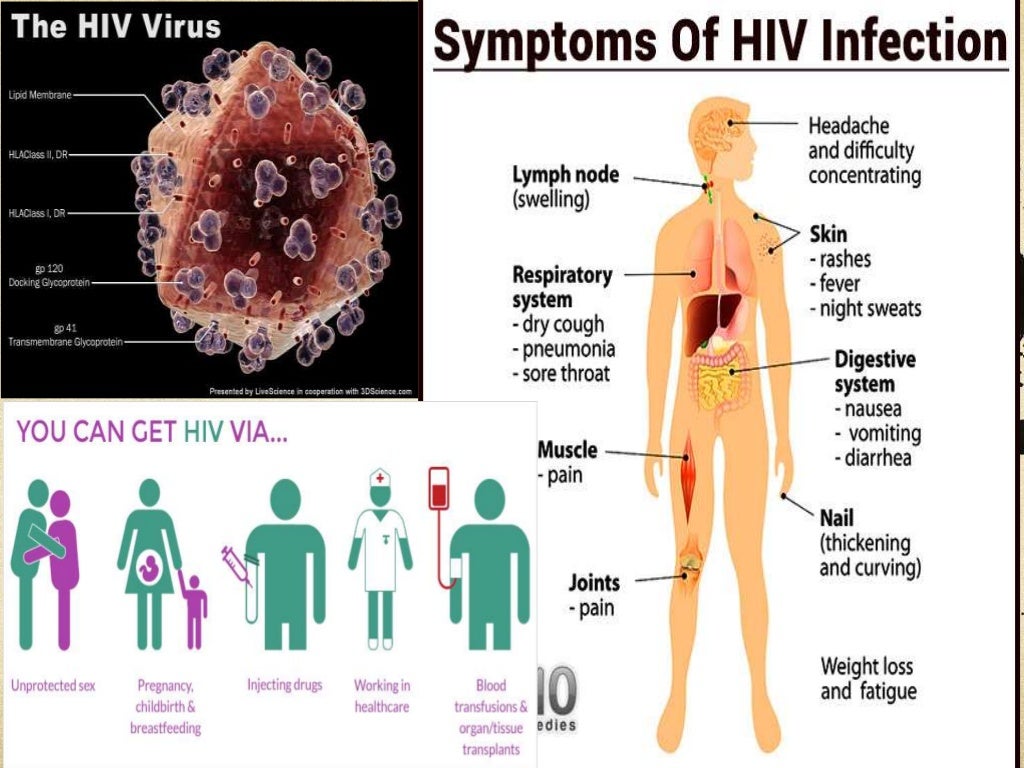
HIV infections. Lyme disease. Escherichia coli (E. coli) O157:H7. Hantavirus. Dengue fever. West Nile virus. Zika virus. Reemerging diseases are those that come back after they have been on a major decline. This may happen because of problems in public health actions for diseases that were once under control.
PPT INFECTIOUS DISEASES PowerPoint Presentation, free download ID63026

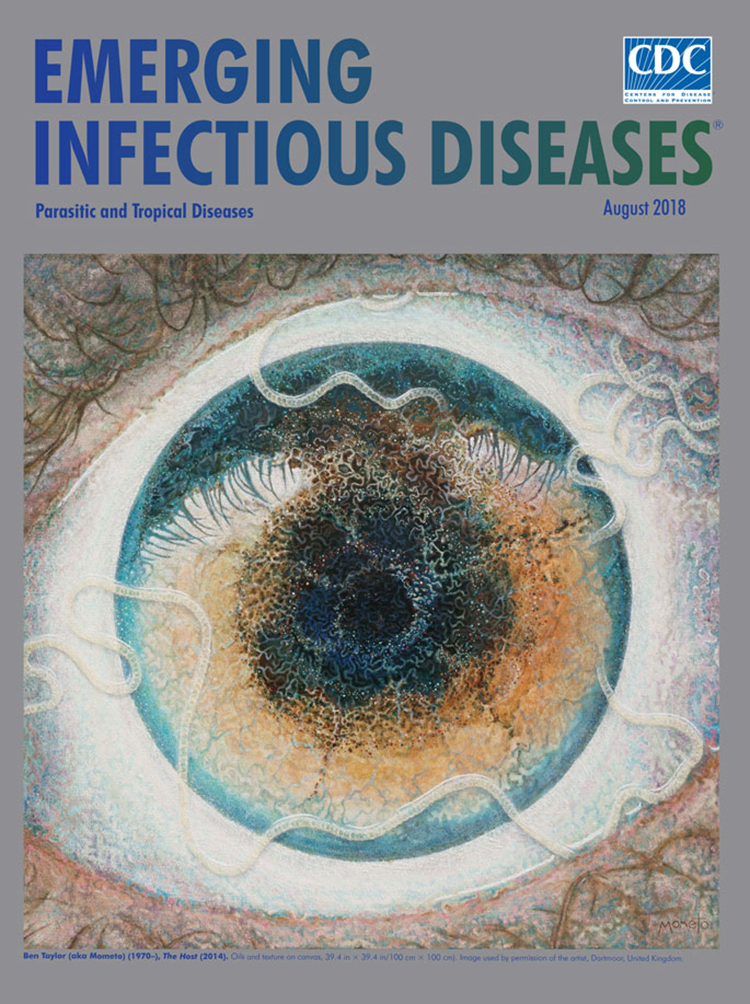
Emerging Infectious Diseases is a peer-reviewed, monthly journal published by the Centers for Disease Control and Prevention (CDC). It offers global health professionals the latest scientific information on emerging infectious diseases and trends. Articles provide the most up-to-date information on infectious diseases and their effects on global health.
Emerging InfectiousDiseasesandDiagnosisJournal
An emerging infectious disease is one that either has appeared and affected a population for the first time, or has existed previously but is rapidly spreading, either in terms of the number of people getting infected, or to new geographical areas. Many EIDs are zoonotic in origin, which means that the disease has emerged from an animal and.
[2023] Emerging Infectious Disease Stats & Trends

Emerging Diseases. What, then, is an emerging infection, or an infectious disease? There has been some implicit variation in the literature. However, a general definition was articulated by Morse in the first volume of a then-new journal, Emerging Infectious Diseases: We can define as emerging infections that have newly appeared in the population, or have existed but are rapidly increasing in.
Emerging and Reemerging Infectious Diseases
The same can now be said of the field of infectious diseases, particularly with the tools we now have for responding to emerging infectious diseases, such as the rapid and high-throughput.
re emerging disease definition Emerging diseases re infectious ppt powerpoint presentation
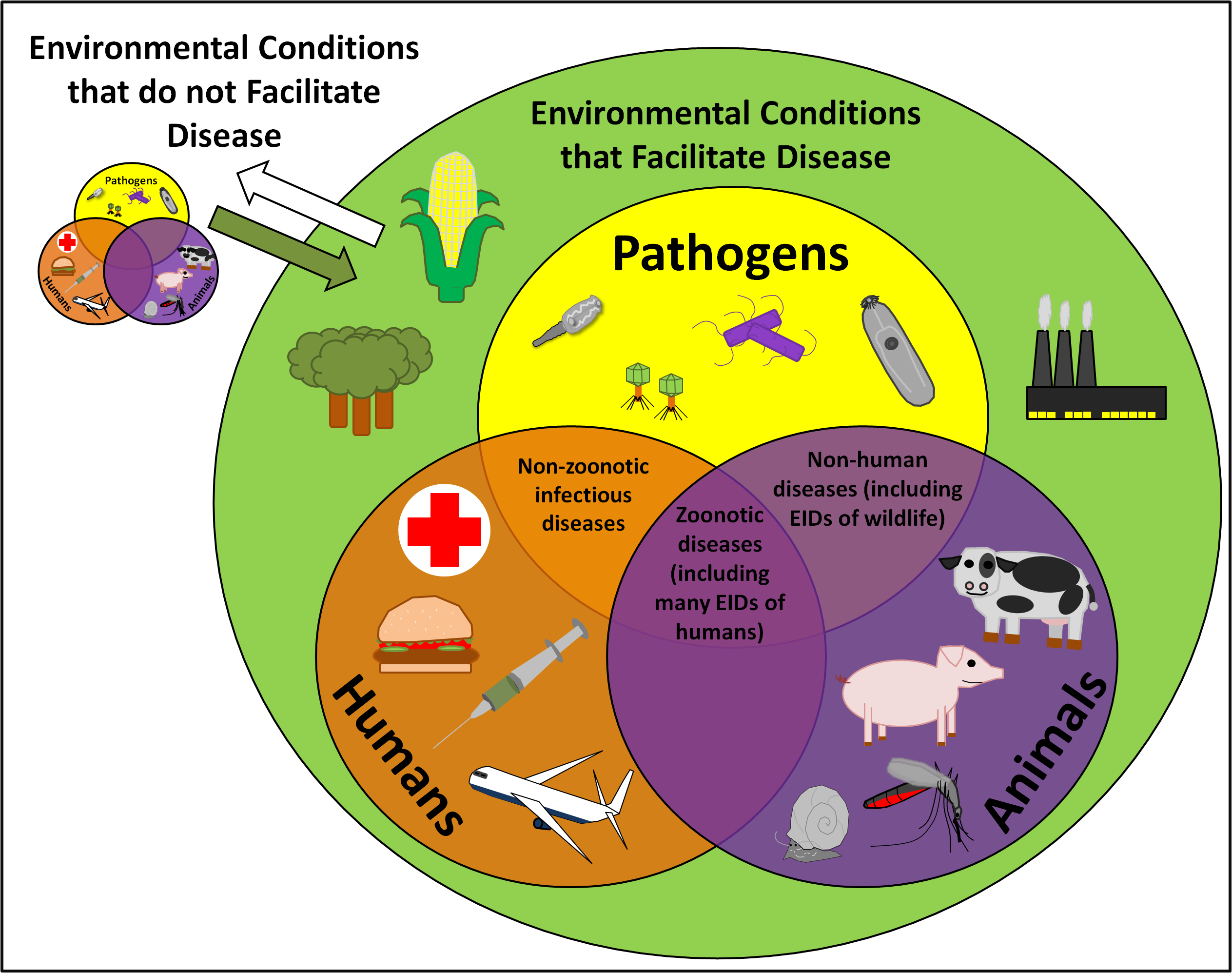
An emerging infectious disease (EID) is an infectious disease whose incidence has increased recently (in the past 20 years), and could increase in the near future. The minority that are capable of developing efficient transmission between humans can become major public and global concerns as potential causes of epidemics or pandemics.
Emerging and Reemerging Infectious Diseases
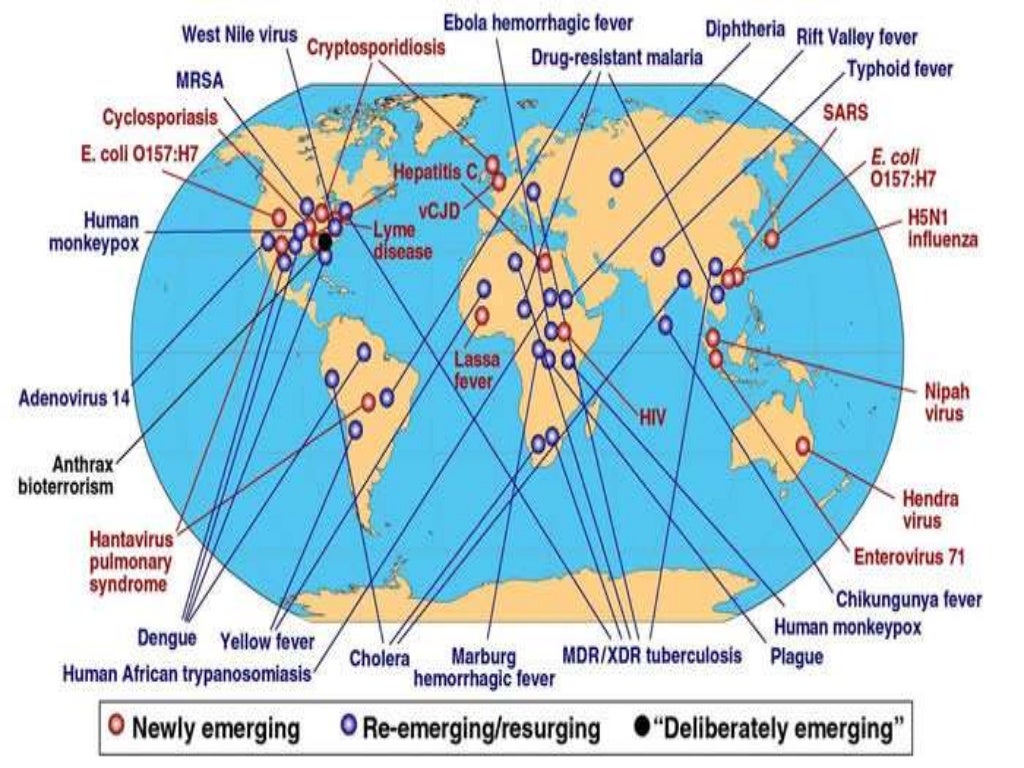
Key Terms. emerging infectious disease: An emerging infectious disease (EID) is an infectious disease with an incidence rate that has increased in the past 20 years and could increase in the near future.Emerging infections account for at least 12% of all human pathogens. pathogens: A pathogen or infectious agent (colloquially known as a germ) is a microorganism (in the widest sense, such as a.
The art of Emerging Infectious Diseases and other medical journals Columbia Journalism Review
The One Health approach, recognizing the interconnectedness of human, animal, and environmental health, is pivotal in mitigating the risk of viral spillover and ensuring timely responses to.
Recent History Shows Variability in Vaccine Development Timeline Avalere

This points to a possible new era of infectious disease, defined by outbreaks of emerging, re-emerging and endemic pathogens that spread quickly, aided by global connectivity and shifted ranges.
Emerging and Reemerging Infectious Diseases
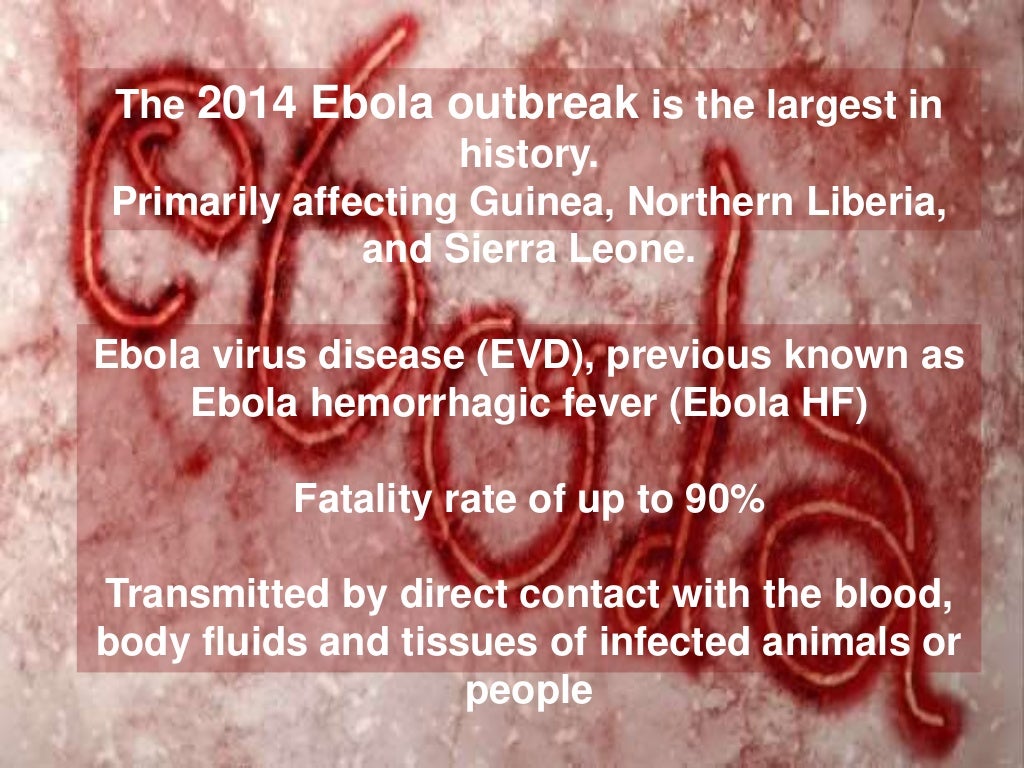
Experts on climate change and infectious disease agreed that a warming planet will likely lead to increased risk for the emergence of new viruses. Daniel R. Brooks, a biologist at University of.
Emerging and Reemerging Infectious Diseases
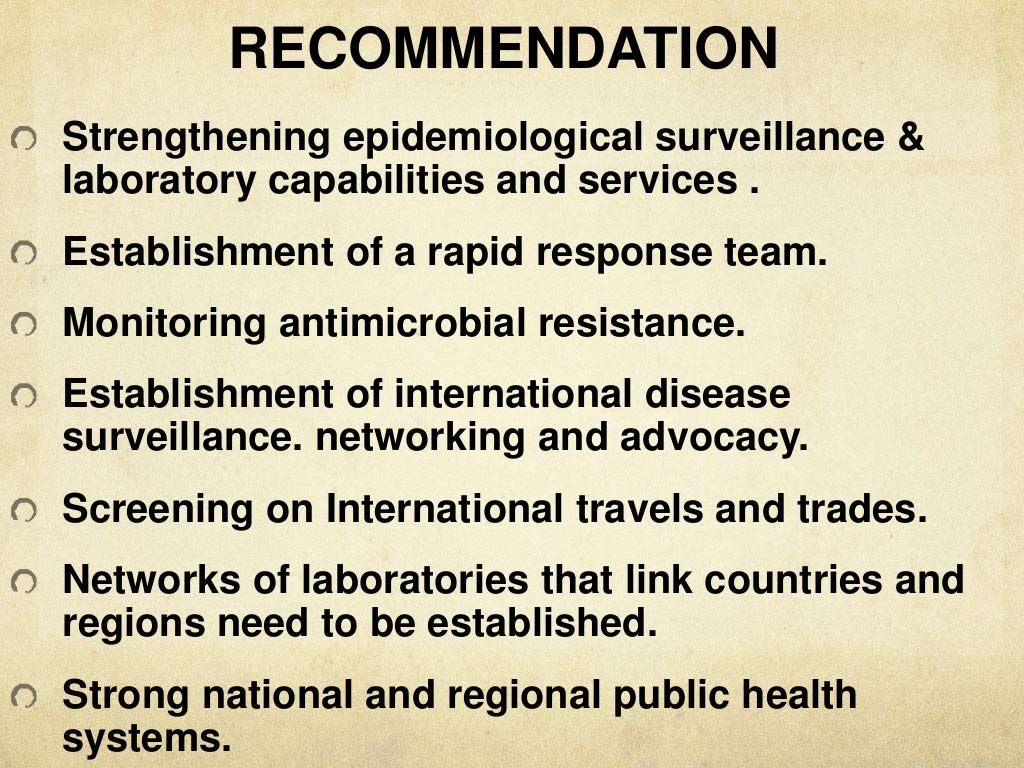
What are emerging infectious diseases? Emerging infectious diseases are any of these: Outbreaks of new diseases that were unknown before . Known diseases that are now spreading quickly in number of cases, or in number of areas where people are sick. Known infectious diseases that are persistent and can't be controlled. Emerging diseases include:
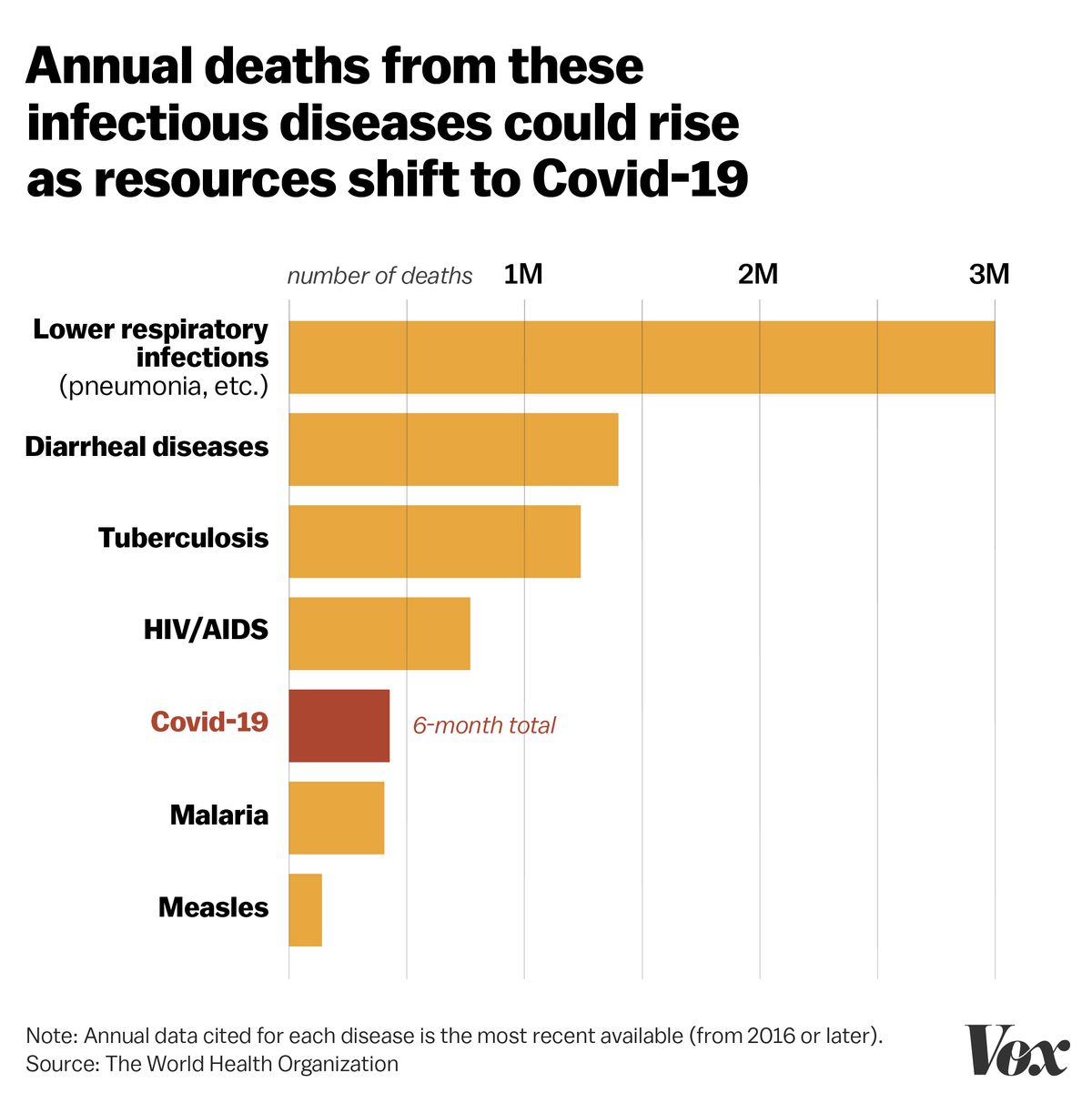
The other infectious diseases spreading in the shadow of the pandemic Hour News
The National Center for Emerging and Zoonotic Infectious Diseases (NCEZID) works to protect people at home and around the world from emerging and zoonotic infections ranging from A to Z—anthrax to Zika. We are living in an interconnected world where an outbreak of infectious disease is just a plane ride away. Learn More.
Emerging and Reemerging Infectious Diseases
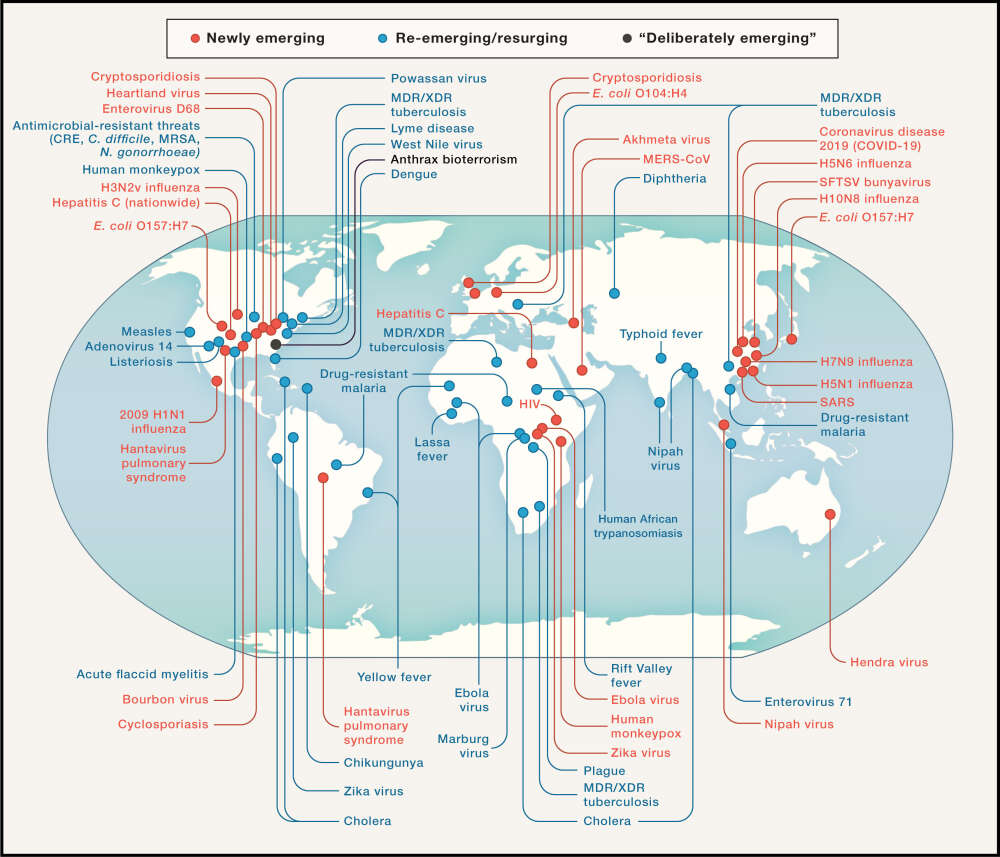
Note: The infrastructure to detect diseases in different parts of the world varies, as does the fact that mild cases of an illness may not be known or reported. Fatality rates are based on the.
It's not just Corona This map shows the World's many, many new and reemerging diseases
Re-emerging infectious diseases are diseases that once were major health problems globally or in a particular country, and then declined dramatically, but are again becoming health problems for a significant proportion of the population (malaria and tuberculosis are examples). Many specialists in infectious diseases include re-emerging diseases as a subcategory of emerging diseases.
Center for Innate Immunity and Immune Disease
Emerging Infectious Diseases. Emerging infectious diseases (EID) and reemerging infectious diseases are increasing globally. Zoonotic diseases are transmitted from animals to humans through direct contact or through food, water, and the environment. Vector-borne diseases are major sources of mortality and morbidity globally.